Emergency Tree Removal for Storm and Fallen Trees
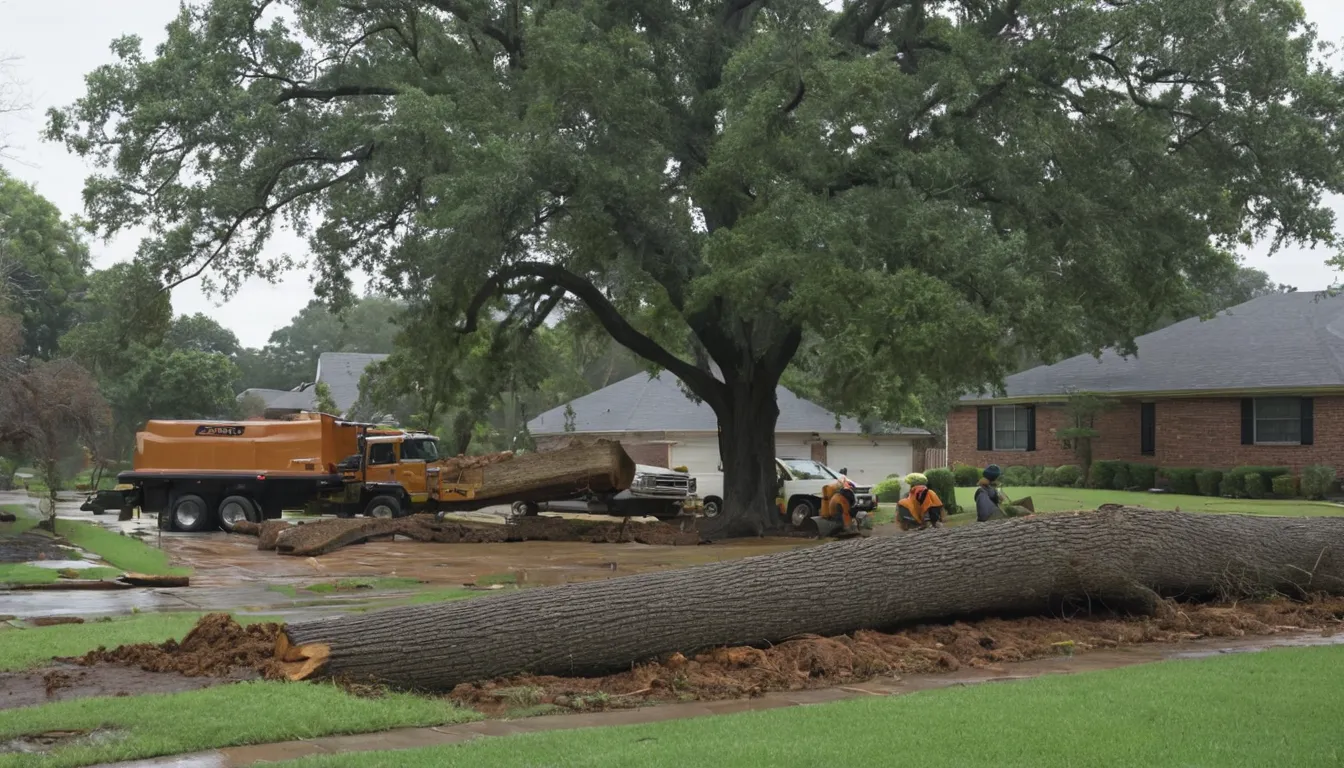
Say a storm passes overnight and a big tree now rests on your fence. Or a trunk leans toward the house and the soil at its base has lifted. These are the moments when emergency tree removal matters. The work is heavy, risky, and not a job for a ladder and a borrowed saw.
Convincevisiting Tree Service is a referral service. We do not cut or haul anything ourselves. We connect homeowners in DISH and the DISH area with independent providers in our network who handle storm tree clearance and fallen tree work. Many providers can respond quickly, but availability changes with the weather. This page shows what to do first, what to ask, and how to read a written quote before you say yes.
Look Up Before You Step Outside
Say a loud crack wakes you during a storm. In the morning, a thick limb lies across the yard, and another hangs from a strip of bark. It looks like a cleanup job. It may be a danger job.
Emergency tree removal means getting a fallen or failing tree off your home, yard, or driveway when leaving it is unsafe. This page helps you sort out what is urgent and how to hire well.
Stay Back and Stay Safe First
Safety comes before everything else. Keep kids and pets inside. Stay well away from the tree and anything it touches.
- Treat every downed line as live. Do not touch it or anything it rests on.
- Do not walk under hanging limbs.
- Do not cut a tree that is bent, pinned, or resting on a roof.
- If someone is hurt or a line is down, contact local emergency services and your utility first.
What Counts as an Urgent Tree Problem
Some trees can wait a day or two. Others cannot. Treat these as urgent:
- A tree or large limb on your house, car, or garage
- A trunk blocking your driveway or only way out
- A tree leaning more than before, with soil lifted at the base
- A cracked trunk or split in the main fork
- Broken limbs hanging over a walkway or play area
A limb lying on open lawn, with no one at risk, is usually less urgent. It may also cost less when scheduled normally.
Call First, Then Request an Estimate
The quickest path is the phone. Request a callback to check provider availability, because call hours vary by provider. If you would rather write it all down, use the form.
How Storm Tree Clearance Works
A good job follows a calm order. The provider walks the site and finds the hazards first. Then the crew makes the tree stable. Then they cut it in sections and lower each piece, rather than letting it drop. Last, they haul the wood or stack it, and clear the debris.
If the roof is open, ask whether the provider can place a tarp or can point you to someone who does. Rain can follow a storm fast.
When the Tree Is on the House
A tree resting on a roof is under hidden strain. One wrong cut can shift the weight and push it through the ceiling. Providers often use ropes, lifts, or a crane to lower pieces in a set order.
Many local homes are slab-on-grade ranches with brick or vinyl siding. Siding and gutters scrape easily, so ask how the provider will protect them. Hot attics also hide damage, so check inside once the tree is gone.
Why Wet Ground Makes Trees Fall
Heavy downpours soften the soil. A tree with shallow or rotted roots can tip over even in modest wind. Tropical storm season adds gusts on top of that.
So a tree that stood fine all summer may lean after a week of rain. If you see it, treat it as urgent and keep clear.
After a Big Storm: What to Expect
When a storm hits a whole area, many neighbors need help at once. Some providers will be booked. Others can respond quickly. Ask for an honest arrival window and a plan for the most dangerous trees first.
Expect a busy phone line and a short wait. A provider who explains the wait is usually a better sign than one who promises everything.
Ask Before You Hire
Even in a hurry, ask a few plain questions:
- Can you send proof of liability insurance and workers' coverage?
- Will you give me a written quote before work starts?
- How will you protect my roof, siding, and yard?
- What is included: cutting, hauling, and cleanup?
A good answer is short and specific. It names the steps and the paperwork. A weak answer dodges.
Red Flags After a Storm
Say a stranger knocks on your door the day after a storm. He has a truck and a chainsaw and wants cash now. Slow down.
- Pressure to decide on the spot
- No written quote
- Cash only, or payment in full upfront
- No proof of insurance
- A vague price that grows once work starts
Quote in Writing
A written quote protects both sides. It should list the trees or limbs, the work, cleanup, and the total. If the job changes, the provider should explain why before adding cost.
What Drives the Price
Tree size, location, and risk set the price most. A tree on a roof costs more than one on open grass. Power lines, tight yards, and cranes add cost. After-hours or storm demand can add cost too. See the table below for typical U.S. ranges.
Working With Your Insurance
Some policies may cover sudden damage from a fallen tree, but coverage varies. Check your policy and ask your agent what applies. Providers can often help document damage for a claim, so take photos before anything moves and ask for an itemized quote.
What About the Stump?
After the tree is gone, a stump may remain. Stump grinding is a separate job and can be done later, so you do not need to decide in the middle of a crisis.
Preventing the Next Storm Problem
Look up on a calm day. Dead branches, deep cracks, mushrooms at the base, and heavy limbs over the roof are warning signs. Ask a provider to inspect before storm season, and trim trees that hang over your house.
What's Included
Fallen Tree Removal
Providers cut and clear trees that have come down on yards, fences, driveways, and roofs.
Storm Tree Clearance
Broken limbs and storm debris are cut, hauled, and cleared so you can use your property again.
Hazard Tree Takedown
Leaning, split, or uprooted trees that threaten your home can be taken down in controlled sections.
Debris Cleanup
Many providers haul away logs and brush, so ask what cleanup is in the quote.
Typical Emergency Tree Removal Costs
These are typical U.S. ranges. Your price depends on tree size, access, and risk. Always get a written quote before work begins, so there are no surprises.
| Job | Typical range | Notes |
|---|---|---|
| Small fallen limb removal | $150 – $500 | Open yard, easy access |
| Medium tree down in yard | $500 – $1,500 | Cut in pieces and hauled |
| Large tree blocking driveway | $800 – $2,500 | Size and cleanup affect price |
| Tree on a roof or house | $1,500 – $5,000+ | Often needs lifts or a crane |
| Crane use, if needed | $500 – $2,000+ | Billed by the hour or job |
| Stump grinding after removal | $100 – $500 | Priced by stump width |
How It Works
Stay Safe First
Keep everyone away from the tree and any lines. Call local emergency services if someone is hurt.
Call or Request
Request a callback to check provider availability, or send an estimate request.
Review the Quote
Compare the written quote, scope, and proof of insurance before you agree.
Clear and Document
The provider cuts and hauls. Take photos first for any claim.
Why Call Convincevisiting Tree Service
Ask Before You Hire
Learn what to ask and how to spot weak answers before work begins.
Independent Providers
Local providers do the work, not us. You choose who to hire.
Quote in Writing
Know what is included and what it costs before anyone starts cutting.
Plain Guidance
Short, simple steps for safety, insurance notes, and next moves.
Other Services
Need emergency tree removal in DISH?
Tell us about your tree, your yard, and your timing. Request a callback to check provider availability, or send a request and a local provider will follow up.
No obligationEmergency Tree Removal FAQ
What should I do first when a tree falls on my house?
Get everyone out of the area and keep clear of the tree and any power lines. Take photos from a safe distance. Then contact a local provider about removing it.
How much does emergency tree removal cost?
Typical U.S. prices range from a few hundred dollars for a small fallen limb to several thousand if the tree is on a roof or needs a crane. Ask for a written quote before work starts.
Will my homeowners insurance cover a fallen tree?
Some policies may cover sudden damage from a fallen tree, but coverage varies. Check your policy and talk to your agent. Providers can often help document the damage, so keep photos and an itemized quote.
Tell us what happened
Tell us about your tree, your yard, and your timing. Request a callback to check provider availability, or send a request and a local provider will follow up.
No obligation