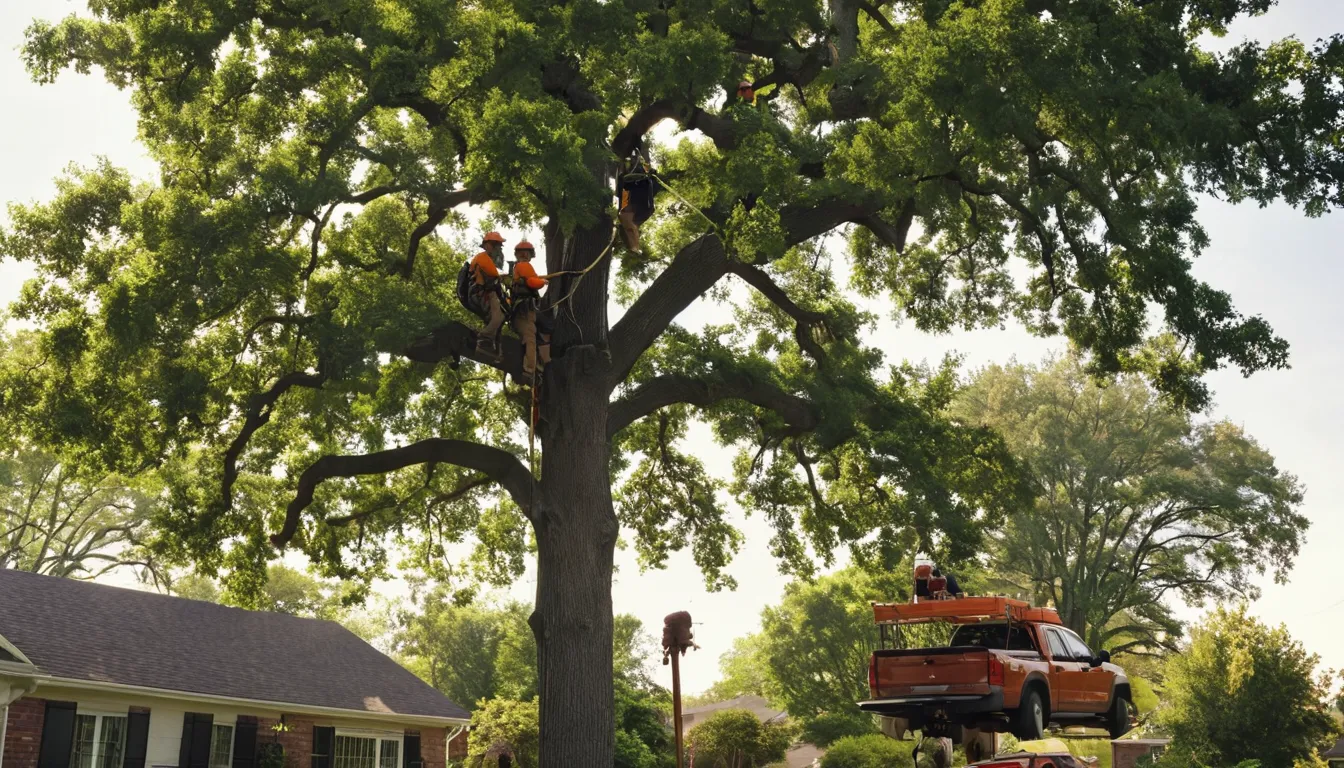
Say you glance out the window after a storm and a big tree is leaning toward the roof. Or a limb hangs low over the driveway. You want it handled, and you want to hire the right person.
Convincevisiting Tree Service is a referral service. We do not cut, climb, or haul. We connect homeowners in the DISH area with independent local providers who do the work. Each provider runs their own business and sets their own prices.
This page helps you ask good questions, read a written quote, and get your yard ready for the day a crew arrives. It also explains what the job may involve, from trimming to full removal and stump work. When you are ready, request an estimate and a local provider in our network can reach out to talk about your tree.
Thinking About Removing a Tree? Start Here
Say you walk out one morning and notice the trunk has a new lean. The soil near the roots looks raised. That is the moment to stop guessing and get a pro to look.
A tree that is dead, split, or leaning is a risk to your roof, fence, and cars. Look up, then call.
Signs a Tree Should Come Down
Some signs are easy to spot. Others hide in plain view.
- Large dead branches near the top
- Mushrooms or soft rot at the base
- Deep cracks in the trunk
- Roots lifting the soil or slab
- A fresh lean after heavy rain or wind
If you see two or more, ask a provider to inspect it soon.
Why Storm Season Changes the Picture
Heavy downpours soften the ground. Then a tropical storm pushes on the crown. Roots that held for years can let go.
After a storm, some providers offer storm tree clearance for limbs or trunks that have already fallen. If a tree is on your house or blocking the road, that is an urgent job. Request a callback to check provider availability.
What Happens on Removal Day
Picture a small crew pulling up with a truck, ropes, saws, and a chipper. They walk the yard first. They point out where limbs will land.
Then the work begins. A climber may cut the tree in sections and lower each piece with ropes. If there is room, the crew may fell it in one direction. Many providers offer this tree falling service for open yards.
Climbing and rigging
Tight yards near power lines, brick walls, or pools often need rigging. Pieces are lowered slowly. This takes more time, and it often costs more.
Cranes and lifts
For big trees over a roof, a provider may bring a crane or bucket truck. It adds cost but can protect your home.
What Affects the Price
Say two neighbors each remove a tree. One pays far more. Why?
- Size: Taller, wider trees take longer.
- Access: A gate, fence, or slab patio limits equipment.
- Condition: Dead wood can be brittle and risky.
- Hazards: Lines, roofs, and pools add care and time.
- Cleanup: Hauling logs and chipping brush may cost extra.
The ranges below give a rough idea. Prices vary by job, so get a written quote.
Why a Written Quote Matters
Quote in writing. A spoken price can drift. A written one shows what is included.
Look for the tree or trees listed, cleanup, hauling, and stump work if you want it. Check for any added fees. If a number looks very low, ask what is left out.
Permits and Local Rules
Some cities protect certain trees by size or species. Some neighborhoods have their own rules. Trees near a property line may also raise questions with a neighbor.
Ask the provider whether a permit is needed. Many know the local rules. You can also check with your city or homeowners association before the work starts.
Ask Before You Hire
Say a provider calls you back and sounds friendly. That is nice. Still, ask these questions.
Do you carry insurance?
A good answer is yes, and they can show proof. Ask for it in writing. Hesitation is a red flag.
Who does the work?
A good answer names how the crew works and who is on site. Be careful if the work is passed to someone you never met.
What is in the quote?
Good answers list cleanup, hauling, and stump work. Vague answers lead to surprise bills.
Red Flags to Walk Away From
- Pressure to decide on the spot
- A request for full payment up front
- No written quote
- No proof of insurance
- Climbing without safety gear
- Door knocking right after a storm
Getting Ready for Removal Day
Say the crew arrives tomorrow. A little prep helps.
- Move cars out of the driveway and away from the tree.
- Clear patio furniture, toys, and planters.
- Tell neighbors about the noise.
- Keep kids and pets indoors.
- Mark sprinklers or buried lines.
In summer, attics get very hot. If branches are near the roof, tell the crew about any loose shingles or vents.
After the Tree Comes Down
Walk the yard with the provider. Check that the wood, brush, and sawdust are gone as agreed. Look at the fence, lawn, and roof for new damage.
If a storm caused the damage, some policies may cover sudden damage, so check your policy. Providers can often help document damage for a claim.
What About the Stump?
A stump stays behind unless you ask for more. Many providers can grind it down. Ask about it when you get your quote, so it is in writing.
Ready to Talk to a Provider?
A short call can sort out what you need. Ask a few good questions and compare your quotes.
What's Included
Tree Assessment
A provider looks at the trunk, roots, and limbs to explain the risk and a sensible plan.
Safe Removal
Trees come down in sections or in one piece, based on space, hazards, and tree condition.
Debris Cleanup
Many quotes include chipping brush, cutting logs, and hauling away the pieces. Ask what is listed.
Stump Options
Providers can often leave the stump low or grind it. Ask for this in the written quote.
Typical Tree Removal Costs
Prices change with tree size, access, and cleanup. These typical U.S. ranges are only a guide. A written quote from a provider is the only number that counts for your yard.
| Item | Typical range | Notes |
|---|---|---|
| Small tree (under 30 ft) | $150 – $500 | Easy access, light cleanup |
| Medium tree (30–60 ft) | $400 – $1,200 | Often needs climbing or rigging |
| Large tree (over 60 ft) | $1,000 – $3,000 | More time, crew, and equipment |
| Tree near house or lines | $1,500 – $4,000 | Extra care and lowering pieces |
| Crane or bucket truck | $500 – $2,000 | Added to the base price |
| Hauling and cleanup | $75 – $500 | Sometimes listed as a separate line |
How It Works
Share Your Details
Tell us about the tree, where it stands, and what worries you most.
Get Matched With a Provider
We connect you with an independent local provider who handles tree removal.
Review the Written Quote
Check the price, cleanup, and stump notes before you agree to anything.
Schedule the Removal
Pick a time that works, then prep the yard before the crew arrives.
Why Call Convincevisiting Tree Service
Ask First
We help you know what questions to ask before any provider climbs, cuts, or hauls.
Quote Clarity
Learn how to read a written quote line by line before you say yes.
Local Providers
Providers in our network are independent and work in your area, with no pressure.
Plain Guidance
Short, simple tips help you spot red flags and compare options calmly.
Other Services
Need tree removal in DISH?
Tell us about your tree, your yard, and your timing. Request a callback to check provider availability, or send a request and a local provider will follow up.
No obligationTree Removal FAQ
How much does tree removal cost?
Typical U.S. prices run from about $150 for a small tree to $3,000 or more for a large one. Access, hazards, and cleanup change the number. Get a written quote before you agree.
Do I need a permit to remove a tree?
It depends on your city, the tree size, and the species. Some places protect certain trees. Ask the provider, and check with your city or homeowners association.
Does homeowners insurance cover tree removal?
Some policies may cover sudden damage, such as a tree that fell on your house. Many do not cover healthy trees you choose to remove. Check your policy, and ask the provider about documentation.
Tell us what happened
Tell us about your tree, your yard, and your timing. Request a callback to check provider availability, or send a request and a local provider will follow up.
No obligation